
Buffett Faculty Fellows (2026–27)
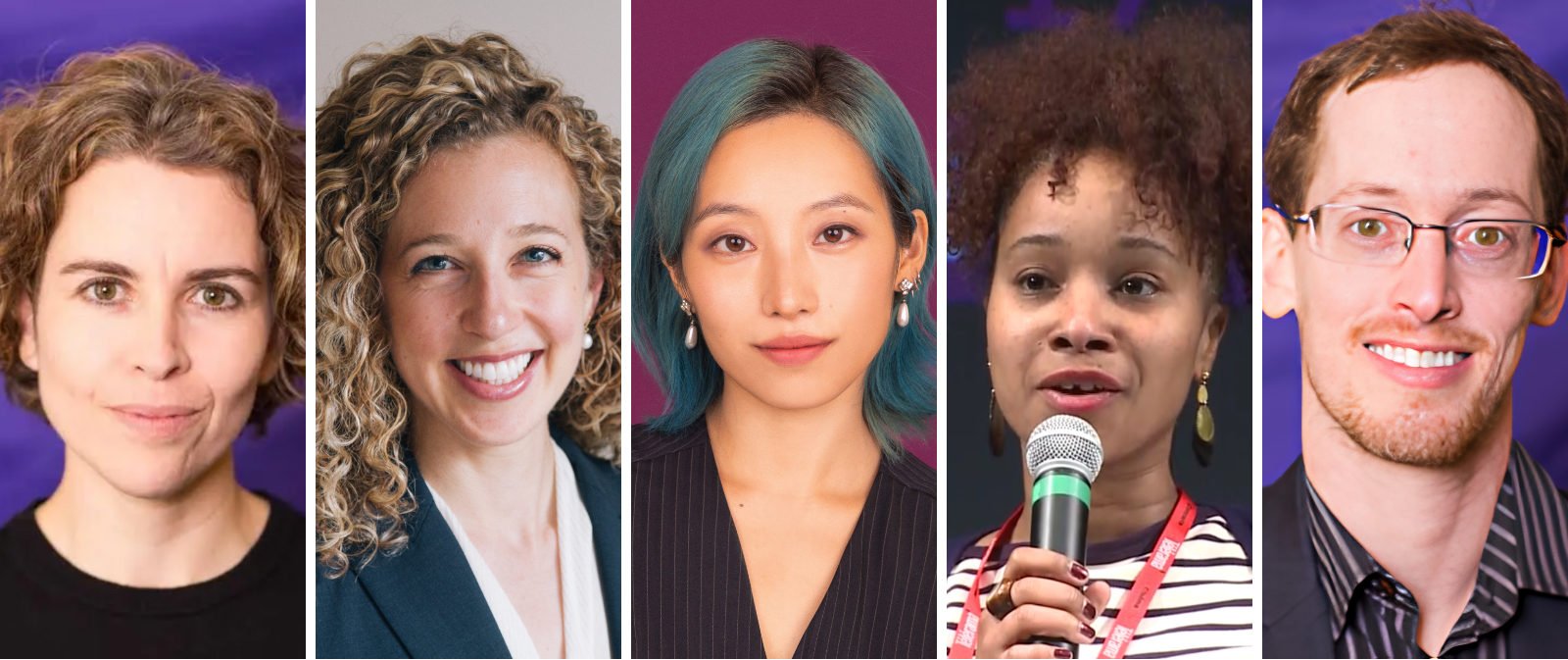
Our Buffett Faculty Fellows are full-time Northwestern faculty whom the Roberta Buffett Institute has awarded a non-residential fellowship to pursue their international research during the 2026–27 academic year.
 Ana Arjona’s (Political Science) The Developmental Legacies of Civil War studies how the various phenomena that constitute civil war affect development not only in the places where armed groups operate but also in communities connected through trade routes, migration, and shared service jurisdictions. Drawing on detailed data about Colombia, the book shows how civil wars shape lives well beyond conflict zones and through more than violence.
 Jeong Eun Annabel We's (Asian Languages and Cultures) book project Archaepelago considers together three island sites in the Pacific confronting histories of state violence, settler colonialism, and militarism: Jeju, Okinawa, and Hawaiʻi. Thinking about the ways that underground, underwater, and buried pasts take on new meanings as constructions occur atop sacred sites with histories of violence, Archaepelago examines the archaeological significance of artistic, environmental, and spiritual practices on these islands and by the islands’ diaspora when multiple states’ redress has been delayed or absent.
 Danielle Gilbert's (Political Science) Ransom & Rebellion: The Logic of Kidnapping in Colombia and Beyond offers the first systematic examination of kidnapping from the perspective of kidnappers themselves. Drawing on over 100 interviews with ex-combatants and former hostages and quantitative analysis of nearly 40,000 Colombian kidnappings, the book argues that armed groups use kidnapping to enforce taxation on civilian populations—a tactic that excels at coercion but undermines rebels' political goals.
 Shmuel Nili’s (Political Science) The Unthinkable Fight offers a general account of the idea of “the unthinkable,” which has been heavily under-studied in moral and political philosophy. It aims to show how a better theoretical grasp of “the unthinkable” can help address concrete moral questions concerning the relationship between democracy and violence, especially across international borders.
 Based on ethnographic inquiry combining participant observation and biographical interviews, Silyane Larcher's (Black Studies) Afroféministes: Luttes féministes noires d’émancipation en France postcoloniale (Afrofeminists: Black Feminist Struggles for Emancipation in Postcolonial France, under contract with Seuil press) examines the social and historical conditions through which Afrofeminists—Francophone Black feminist daughters of African and Caribbean immigrants—emerge as political subjects contesting anti-Black racism, sexism, and socioeconomic inequalities within France’s colorblind republican framework. The book also situates contemporary Afrofeminism within a longer Francophone black feminist intellectual genealogy, showing how struggles over race, gender, class, and migration have been central to shaping social, political, and cultural transformations in French society.