
Reflections from Northwestern University's COP30 Delegation: Day 1
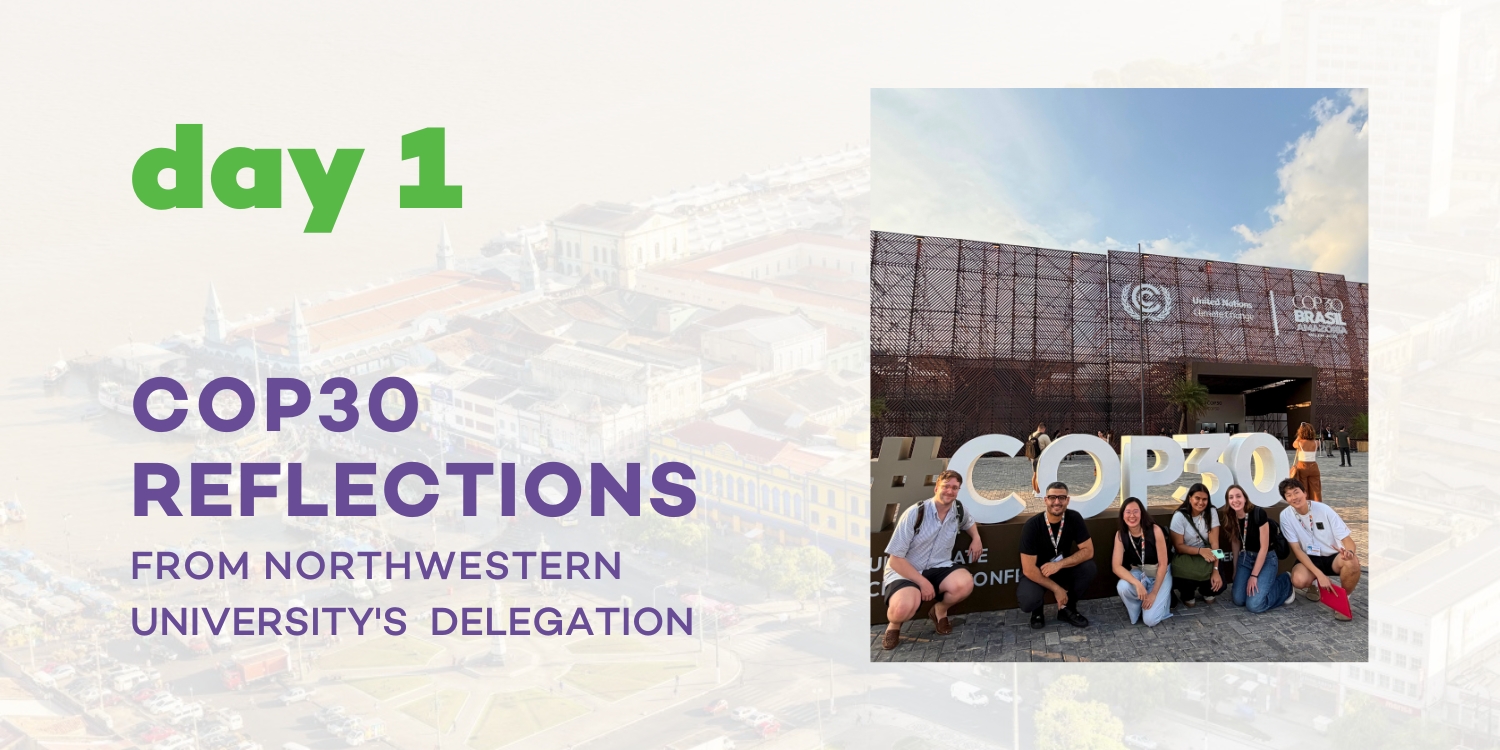
For a fifth year, a delegation of Northwestern University students and faculty supported by the Roberta Buffett Institute is among more than 50,000 researchers, policymakers, industry leaders and activists at the world’s largest annual international treaty negotiations and climate summit, the 30th Conference of Parties (COP30) to the United Nations Framework Convention on Climate Change (UNFCCC), held this year in Belém, Brazil. Each day, a different Northwestern delegate is blogging about their experiences and reflections. Day 1 features Miguel Angel Garcia-Bocanegra, a PhD candidate in the Department of Learning Sciences and the Master’s in Statistics & Data Science Program.
Forever Questions, Pt. 2
Relatives, Friends, and Digital Travelers,
I am writing to you from COP30 in Belém, Brazil, where the world’s climate-conference machinery convenes near the lungs of Amazonia—where rivers rupture in and out of forests. It is a different horizon from last year’s letter written in Baku, yet many of the threads remain the same: reciprocity, relationship, Land, Water, story, and the future responsibilities we inherit together.
We boarded a flight from Chicago that stretched into a near 24-hour day of transport. Time folded, mediating memories as we flew across Turtle Island. When we landed, the hot, humid air welcomed us into a 30-minute bus ride through Belém’s landscape—rainforest and soil, graffiti and gathering families—shaping the city’s character and the futures yet to come.
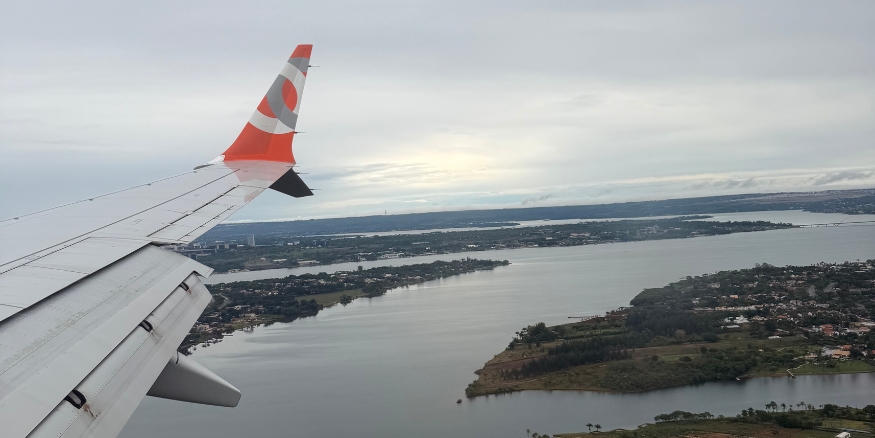
Though my mind still tuned into the miles, the hours, and the change of hemispheres, we collectively carried our luggage, expectations, and wonder in preparation for the 30th Conference of the Parties (COP30).
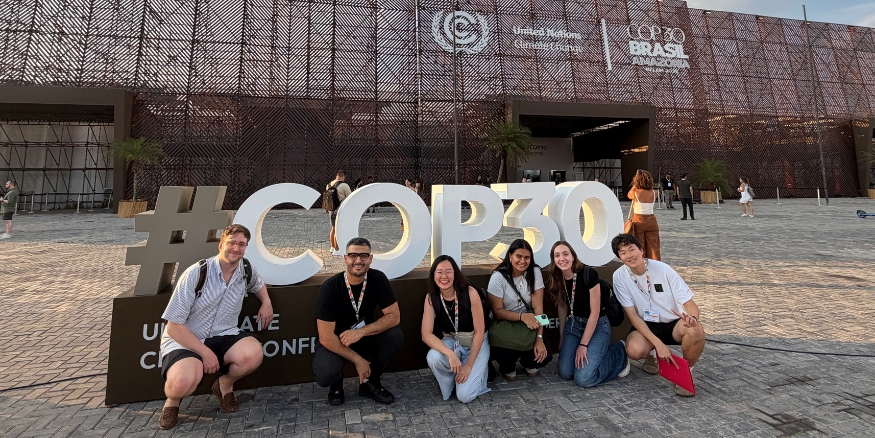
By Monday morning, we entered the COP complex. Walking into the Blue Zone for the first time: the rumble of foot traffic, the shuffle of accreditations and security passes, corridors lined with pavilions framed in plastic, glass, and metal. The hum of many tongues filled the air, carrying the emergent anxiety of climate policy aiming to fulfill the promise of our collective wellbeing.
I wandered through the booths and hallways of the Blue Zone into the larger pavilion spaces—searching for the morning’s medicine. I asked myself, where is the coffee? Somewhere down a corridor we found it—an espresso, a black cup, igniting cognitive capacities to field note. Standing still, taking one sip, within that wide corridor as 50,000 ideas, comments, and complaints swam by me—an ocean of badges and lanyards brushing past.
In that coffee moment, I paused.
I remembered last November in Baku under the midnight-polluted windows; here, the Amazon air felt heavier—thick with the expectation of implementation, scented with rain and the ambition of action folding our fists.
This year’s COP is said to be historic for Indigenous participation. Brazil has organized around 3,000 Indigenous people to attend the summit, with roughly 1,000 participating in official negotiations within the Blue Zone. For Indigenous leaders and communities from the Amazon and beyond, this gathering is more than diplomatic—it continues to be cultural, communal, and ontological. It reminds our long-lost relatives that we come from Lands and Waters that are not resources, but living relations central to our responsibilities.
Across pavilions and discussions, the message resonates: Indigenous Lands are climate agents—forests absorbing carbon, protecting biodiversity, and buffering climate extremes.
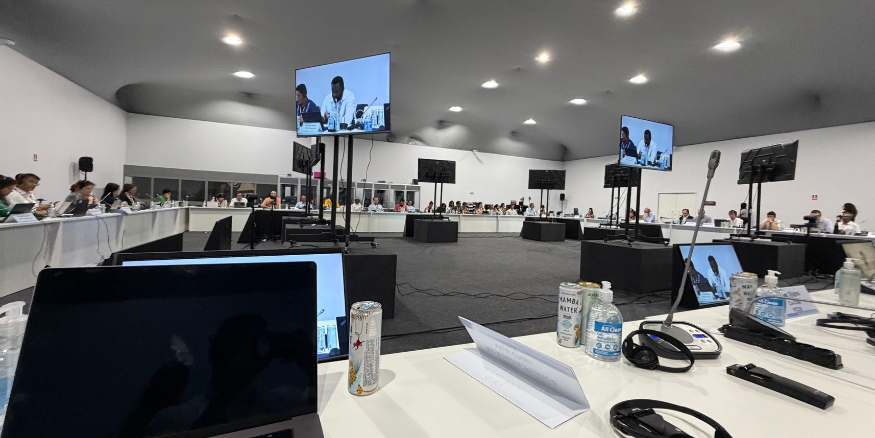
Yet, the struggle remains: land demarcation, protection from extraction, meaningful representation, and the redirection of climate finance directly to Indigenous territories rather than through bureaucratic layers that dilute their power.
Last year I wrote:
“Dear Relatives, … I wonder about the new forever questions that are birthed by our sunlight. … How do we continue nourishing our lifeways that are ancestrally responsible and proleptically Indigenous—independent of the colonial condition?”
Here in Belém, I sense an echo of that paragraph: the sunlight still births new questions; the Lands and Waters still hold us in their relational architecture. And yet, the setting is different. Last year was Baku, Azerbaijan—far from the Amazon, far from Chicago. But the motif remains: we travel, we gather, we listen, we ask.
In Belém, one question transforms into its own:
If these globally significant forests and river systems lie at the heart of the climate system—and if the Indigenous peoples who steward them continue to breathe life into our futures—how does the weight of our word outwrestle our responsibilities?
With gratitude for your presence in these reflections,
Miguel Angel Garcia-Bocanegra
Belém, November 2025
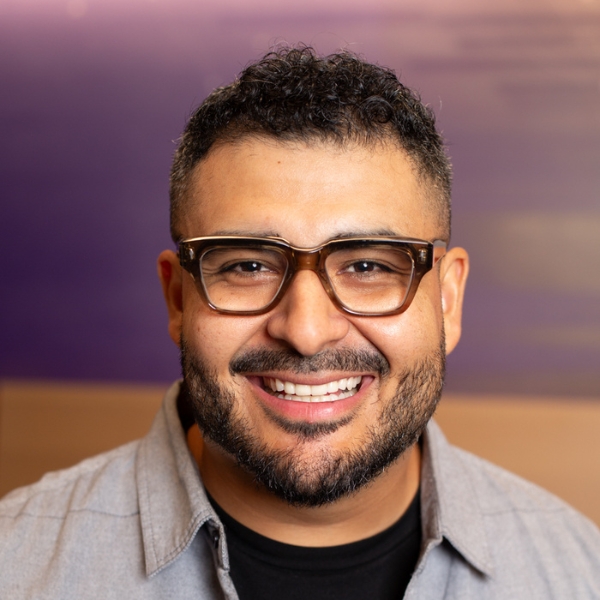 Miguel Angel Garcia-Bocanegra is a PhD candidate in the Department of Learning Sciences and a graduate student in the Master’s in Statistics & Data Science Program at Northwestern University. He explores the development of intergenerational, complex learning systems that bridge human and more-than-human knowledge aligned with the natural world. His research investigates the cultural, social, and cognitive elements of learning environments and the affective landscapes that shape climate change education through Indigenous and non-Indigenous epistemic frameworks.